The Anambra State Police Command has called on Nigerian filmmakers to portray the police more positively, warning that films, television dramas and comedy skits have shaped how the public sees officers and the profession.
The appeal came on Tuesday, 20 October 2026, at a stakeholder engagement on the establishment of the Anambra State Arts Council and the Anambra State Censorship Board. The Anambra State Government, through its Ministry of Culture, Entertainment and Tourism, organised the event at the Anambra State Country Club, Awka, bringing together filmmakers and other players in the state's creative sector.
SP Tochukwu Ikenga spoke on behalf of the Anambra State Commissioner of Police, CP Nnanna Oji Ama. He told the gathering that filmmakers carry responsibility for how the public views policing as a career and a profession.
SP Ikenga shared an experience from a school visit, where he asked a room of students whether any of them wanted to join the police force. Not one student said yes. He said the response unsettled him and made him question the career path he had chosen.
He traced part of that reluctance to how police officers are depicted in Nigerian movies, television shows and comedy skits, arguing that these portrayals feed directly into how young Nigerians see the force. His appeal to filmmakers was to tell more balanced stories, ones that show officers also contributing meaningfully to society rather than only being the butt of the joke.
SP Ikenga called on filmmakers Benneth Nwankwo and Michael Chineme Ike among those present, urging them and others in the room to use their platforms for this kind of storytelling. He added that the Anambra State Police Command was open to supporting such productions, offering resources and cooperation to filmmakers willing to tell fuller, fairer stories about the realities of police work.
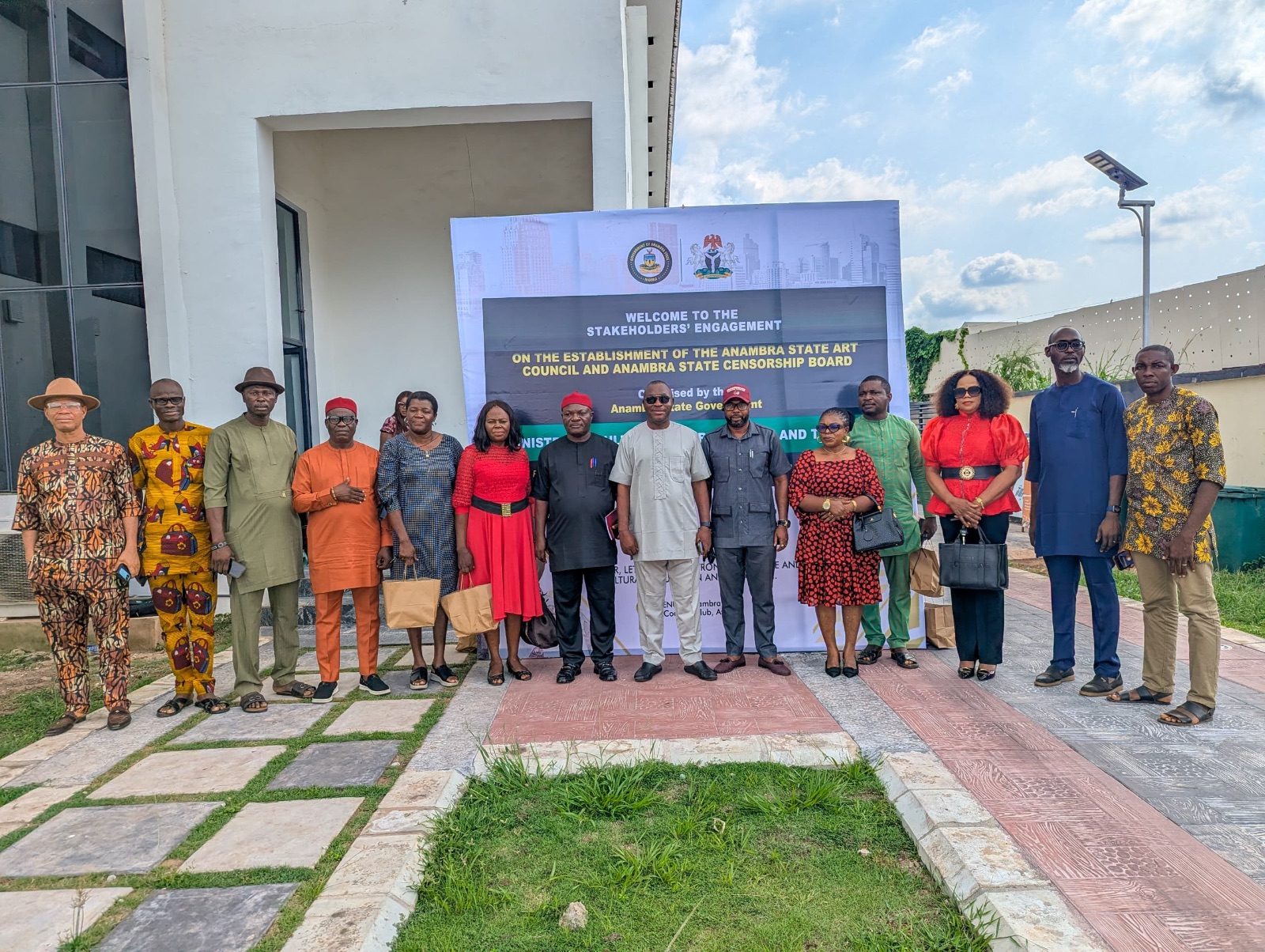
Anambra State Commissioner for Culture, Entertainment and Tourism, Bar Udoji Amedu, thanked Ikenga for the police's input and welcomed the Command's offer to collaborate with the creative industry. Bar Udoji said he would encourage Anambra-based filmmakers to take up that collaboration and develop productions that treat law enforcement with depth and honesty.
The proposed Arts Council and Censorship Board formed the main agenda of the engagement, with participants discussing the roles both institutions are expected to play in regulating and developing Anambra's creative economy. Several stakeholders stressed that practitioners need a seat at the table as these structures are built, since the policies will directly affect how films are made and distributed in the state.